
Sharing our attitude of gratitude

Sharing Our Attitude of Gratitude

As this year’s Thanksgiving holiday is quickly approaching, we thought we would take a few minutes to reflect on our feelings of gratitude. Here at Exponent Partners we have the immense privilege of working with incredible people doing inspiring work at nonprofit organizations all over the country and beyond. After polling our team, here are just a few of the many things we’re thankful for this holiday season.

Our team member Nilopher Sahney had the opportunity to support our client Catholic Charities Archdiocese of New York in person at their annual Thanksgiving food drive. She shared her experience with the team: “I am grateful for this client and their successful implementation of Exponent Case Management. Their team does an incredible job organizing this food drive every year. This year the Governor of New York was there and signed the Nourish New York Program into law so that it can help farmers in upstate New York and help feed their residents every year during the holidays.”

Amy Miesen, senior consultant on the team, also shared her feelings of gratitude. “I am grateful that here at Exponent Partners we are living our values through specific actions and showing up in impactful ways by rolling up our sleeves and investing our resources to support organizations that are on the front lines tackling these issues.” Amy has worked closely on our company’s pro-bono project with Orleans Public Defenders, an organization that provides legal representation to those who are unable to afford it and are disproportionately people of color. This project is demonstrative of our company’s commitment to investing in work that fosters true systemic social progress. We are grateful to have had the opportunity to work with this organization. 

The Exponent Partners team grew in 2021 and we are collectively grateful for the chance to work with so many smart, committed and engaging colleagues. Mike Chevrette, a new senior consultant, shared his feelings: “This year I’m grateful to have joined Exponent Partners and aligned myself with an organization who matches my feelings and beliefs in using technology to enhance and extend the reach and impact of non-profit organizations.” Sam Colvarro, our internal Salesforce administrator, had this to share: “I am grateful to work at a place where I get to support a team that supports me right back!” Joe Blodgett added, “I’m grateful to be working with a team of smart, kind, passionate, supportive people. They’ve helped me learn so much and made me feel valued from my very first day.” Needless to say, lots of grateful vibes coming from the team at Exponent Partners!

Going into 2022, we all remain hopeful for the opportunity to engage in person (safely, of course) with our clients and colleagues, in order to deepen our professional and personal relationships. In the meantime, we hope everyone stays safe and connects with feelings of gratitude this holiday season! 
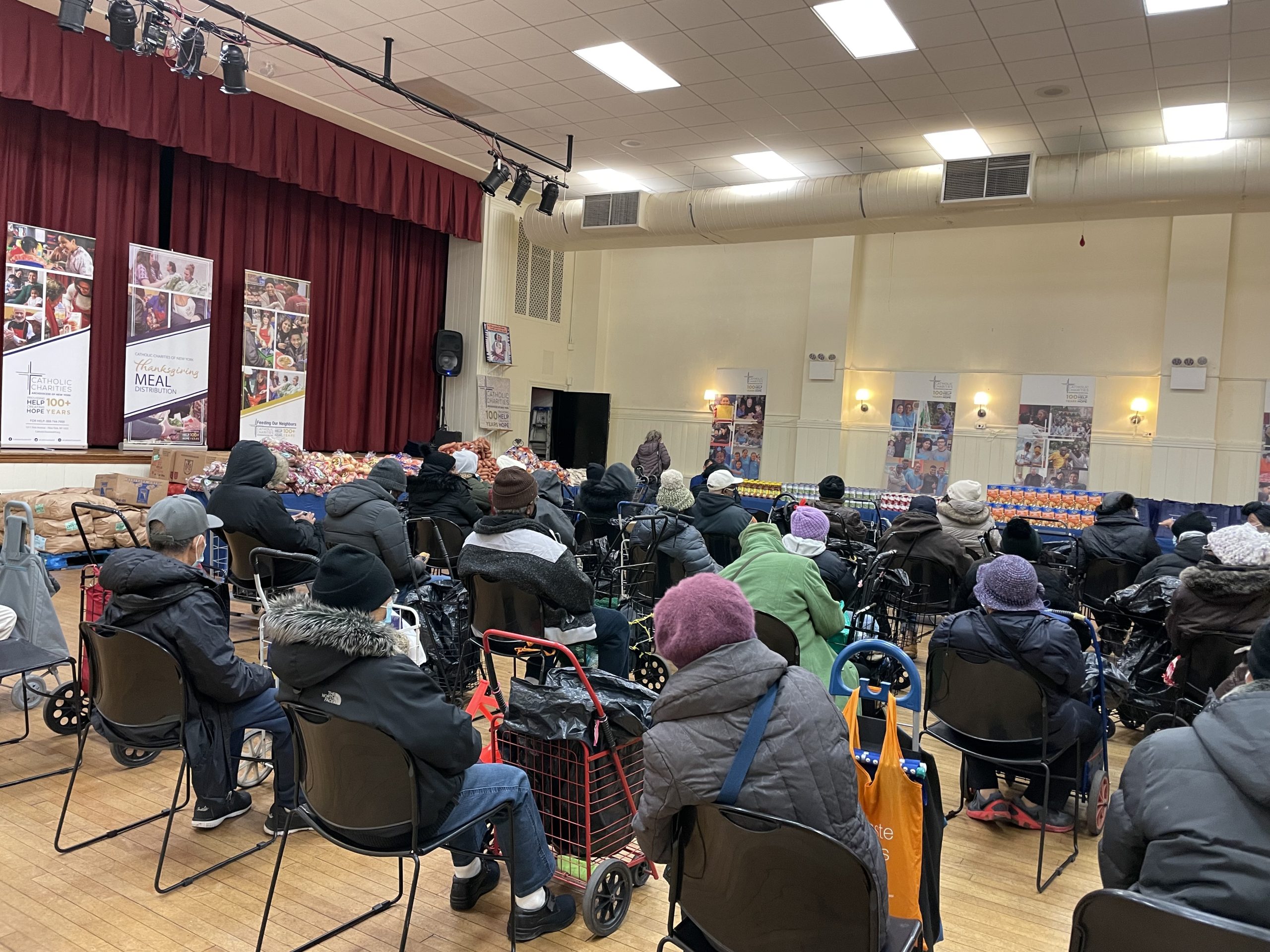
Image of the Catholic Charities Archdiocese of New York Thanksgiving food drive.

Catholic Charities Archdiocese of New York and their annual Thanksgiving food drive event.
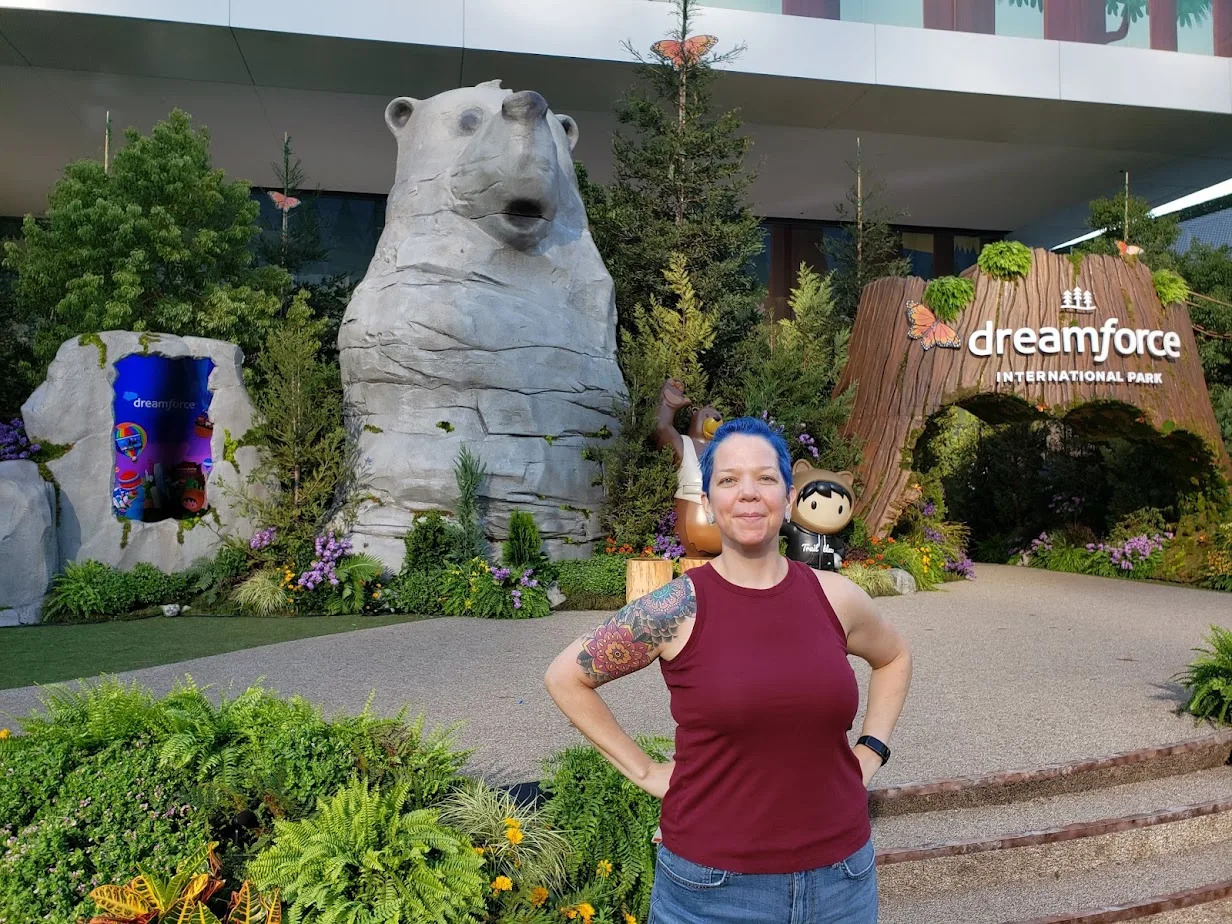
Photo of Skye Tyler in front of bear statue at Dreamforce 21

A Dreamforce Conference Like No Other

Dreamforce 2021 was one for the books! There are plenty of blogs that are going to list the “top highlights” and you should definitely check them out because there are some really great things to highlight. If you haven’t already started working from a Slack-first perspective, the keynote and product sessions showing great new integrations with Salesforce may encourage you to pick up the Slack and make it happen. And the product teams have been making great strides in delivering improvements for how teams use the platform. Dreamforce ‘21 introduced plenty of features to get you excited and planning your roadmap for the year ahead. But my take-aways from Dreamforce ‘21 are a bit more contemplative and are summed up in three words: crisis, change, connection.

Crisis

Early in the opening keynote, Marc Benioff called out five crises that the world is facing right now: trust, workforce, inequality, climate, and the pandemic. I was honestly a little surprised that the beginning of Dreamforce would start on such a dire note, but in hindsight it makes sense. In different ways and to varying degrees, these five factors affect each and every one of us, from individuals to organizations. And because this was a Dreamforce like no other, to pretend it was business as usual would not have rang true to the on-site attendees, let alone the tens of thousands of online viewers. In opening with these crises, the stage was set to show how Salesforce, it’s partners, and the wider Trailblazer Community are positioned to rise up to the challenge of solving them. 

Change

Salesforce has always focused on being a platform for change. This was never as true as it is today. In past years, the cost of a conference pass, accommodations, and travel, as well as visa requirements, could be a barrier to attendance. And if you were fortunate enough to attend, the staggering number of sessions spread across several city blocks introduced other challenges to getting into the sessions you most wanted. By successfully executing virtual conferences for both TrailheaDX and Dreamforce 2020, Salesforce made content available to more people around the world. In reimagining what Dreamforce can be in a world in crisis, it feels like the event planning team asked “Instead of trying to get back to the old normal, how can we define a new, better normal?” The answer this year was a hybrid Dreamforce with the best of both virtual and in-person! With fewer live in-person sessions, but a ton of virtual content streaming both live and on-demand, Salesforce+ introduced a kind of knowledge equity that didn’t exist before. Our Trailblazers in India didn’t need to be up all night to catch the material being delivered in San Francisco’s morning. Nonprofits and small to medium sized businesses who couldn’t afford either the financial cost or reduced staffing hours can squeeze in sessions between service delivery. 

Even the features being highlighted felt different this year. Instead of big sweeping announcements, we were treated to a lot of features that live behind the scenes but provide meaningful improvements to how teams work (things like Lightning Web Runtime and Slack Workflow Builder for developers, or LucidChart Salesforce Libraries and diagram frameworks for architects). Instead of renting Oracle Park for a huge Dreamfest concert, we were treated to a cozy block party where the mascots joined the Foo Fighters on stage. And like any good change agent, Salesforce knew better than to mess with the things that still work really well: the Gratitude Tree, mindfulness sessions, Marc’s shoes, and plenty of opportunities to connect with friends both new and old.

Connection

The last theme that was woven into every aspect of Dreamforce ‘21 is connection. With about 1,000 onsite attendees and a footprint covering Howard Street between 3rd and 4th, it was a more intimate in-person experience. There was time to move comfortably from one session to the next and connect with more people in deeper ways. The frantic pace was reset to one of thoughtful interaction. And as I mentioned above, the introduction of Salesforce+ for streaming content allowed more people than ever to connect to the Dreamforce experience. But beyond the personal connections, much of the technical content focused on the importance of connecting systems and partners in order to solve the pressing challenges of the crises we’re facing. Years ago there was a push to get all your data into, and have all your users working inside of, Salesforce directly. Today, we recognize that Salesforce is not a data lake and that some users don’t need to be logged in and updating record pages directly. There are many external systems and data sources that can be integrated to provide the Customer 360 experience while allowing teams to work from anywhere. 

Many organizations had to adapt quickly to working from home because of the pandemic. The leaders of the future will continue to develop their digital headquarters to support a dispersed, agile and empowered workforce. They’ll leverage integration, AI and automation to support building customer trust and employee loyalty while also making progress on equality, social justice and environmental issues. But with ever more advanced systems, the need for a highly skilled workforce will become more pressing than ever. Here, the connections fostered within the Trailblazer Community for workforce development, training and mentoring will be critical. Any good sales team knows you need a healthy pipeline of Leads, and the Salesforce ecosystem needs a healthy pipeline of entry level and junior positions that can grow into the developers and architects of tomorrow.

Even from the early days of the COVID shutdowns and shelter-in-place orders, people have been wondering how we could get back to meeting again in person. With Dreamforce ‘21, Salesforce provided a model of how we can gather safely, connect deeply, and continue to learn from each other. Together, each of us as individuals and the Trailblazer Community as a whole, can innovate, adapt and succeed in the face of any challenge. 

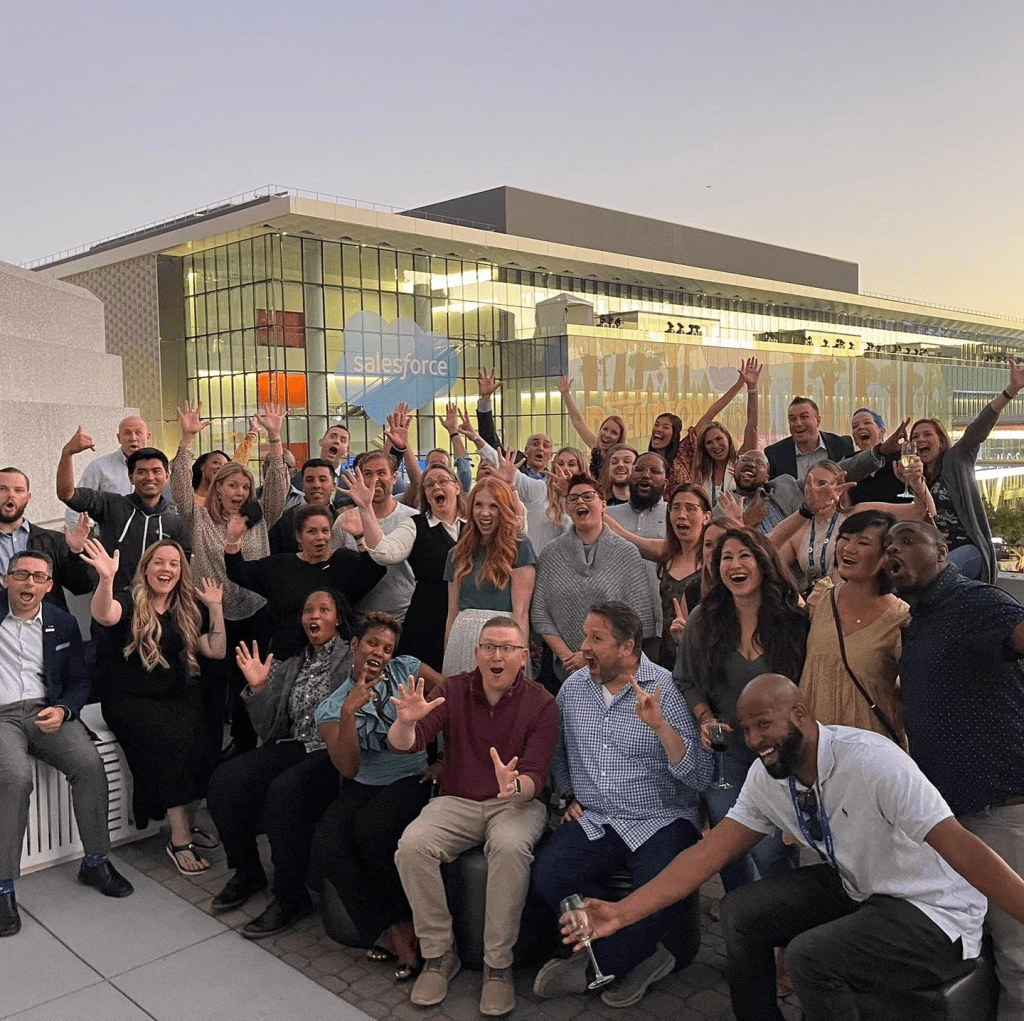
Photo of a large group of people at Dreamforce
Military welcome reception at Dreamforce 21
Photo of two women working together at a computer

Implementing Your HMIS FY 2022 Data Standard Changes

Post By: Josie Alleman

It’s that time of year again – leaves are starting to change, temperatures are getting cooler and Homeless Management Information System (HMIS) required updates are being implemented for homelessness services programs. The HMIS FY 2022 Data Standard Updates range from simple to complex – focusing on improvements around inclusivity for participants receiving services and efficiency for frontline staff entering HMIS data. System administrators are working to understand and install all of their HMIS required updates and users are testing the changes. As of October 1st, homelessness service providers will be all in – ensuring that the most up to date fields, picklist values and validation rules are being used.

Exponent Case Management’s HMIS Module

Exponent Case Management’s (ECM) HMIS Module ensures that all HMIS programs are in compliance with HMIS standards. The HMIS module was created not only with a close eye to the HUD HMIS standards, but also with input from experts in the field. We have always worked with customers who provide homelessness and housing services and now we have a standard HMIS solution for our customers no matter their HMIS program type. The ECM HMIS Module is the first HMIS solution in the Salesforce ecosystem. 

Guiding Our ECM Customers Through the Changes

Exponent Partners has addressed all HMIS FY 2022 changes in the ECM HMIS module and are making sure all of our HMIS customers are fully supported during this transition. Since the updates were announced by HUD, we have kept our customers informed about the changes and the release schedule in ECM. We have provided comprehensive documentation about the updates in the module, where they are located, and who they affect. We have also explained in detail any actions that the system administrators need to take in order to be compliant with the new standards. Finally, we have met with each individual customer virtually to explain how each of the changes directly affects their system and answer any questions they have. We are always available to our customers to have further one on one meetings to support them if any issues pop up. 

What has changed?

The following is a summary of the changes that impact data collection for program administrators and individual service providers. These changes are documented on page 2 in the FY 2022 HMIS Data Standards Data Dictionary under “Summary of Changes”. 

Project Descriptor Data Elements 

  • Project Information (2.02) 
    • New Field: Medically Assisted living Facility.
    • Rationale: This field was requested by HOPWA to determine if the HOPWA project is an assisted living facility.
    • Applicability: All projects must answer this field, but only HOPWA projects would answer “Yes”. 
  • Funding Sources (2.06)
    • New response options added to field 1 Funding Sources.
      • HUD: CoC – Joint Component RRH/PSH
      • HUD: HOME
      • HUD: HOME (ARP)
      • HUD: PIH (EHV)
    • Rationale: Responses added to support programs affected by the American Recovery Plan.
    • Applicability: All projects.

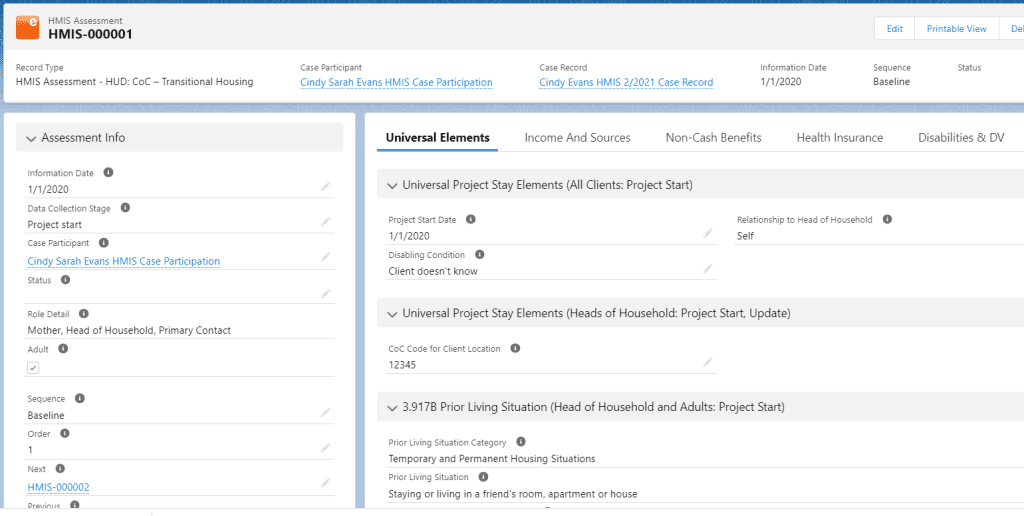
Photo of Exponent Case Management software screen

Universal Data Elements (applicable to all projects)

  • Race (3.04)
    • Response option labels updated in field 1 Race.
      • American Indian, Alaska Native, or Indigenous
      • Asian or Asian American
      • Black, African American, or African
    • Rationale: Response labels provide more inclusivity and representative language for all demographics.
  • Ethnicity (3.05)
    • Response Option labels updated in field 1 Ethnicity.
      • Non-Hispanic/Non-Latin(a)(o)(x)
      • Hispanic/Latin(a)(o)(x)
    • Rationale: Response labels provide more inclusivity and representative language for all demographics.
  • Gender (3.06)
    • Field type changed from a single picklist to a multi-picklist and response option labels updated in field 1 Gender.
      • A gender other than singularly female or male (e.g. non-binary, genderfluid, agender, culturally specific gender)
      • Transgender
      • Questioning
    • Rationale: Response labels provide actual gender options and more inclusionary and representative options.
    • *Please note that “Questioning” refers to a participant who is searching and actively trying to understand their own gender identity. This is different from “Client doesn’t know” where the participant cannot answer the question.

Common Program Specific Data Elements (applicable to all projects)

  • Mental Health Problem (4.09)
    • Field label changes in field 1 Mental Health Problem.
      • Mental Health Disorder
    • Rationale: Previous language of “Mental Health Problem” was outdated.
  • Substance Abuse (4.10)
    • Field label change in field 1 Substance Abuse.
      • Substance Use Disorder
    • Rationale: Previous language of “Substance Use” was outdated.
  • Coordinated Entry Event (4.20)
    • Additional referral response options.
      • Referral to emergency assistance/flex fund/furniture assistance
      • Referral to Emergency Housing Voucher (EHV)
      • Referral to a special purpose voucher (homeless targeted units)
    • Rationale: To collect additional referral information in response to pandemic relief.

Federal Partner Program Specific Data Elements 

  • New data element: Prescribed Anti-Retroviral (W6)
    • New fields related to prescription anti-retrovirals: Has the participant been prescribed anti-retroviral drugs?
    • Rationale: To document progression of any medication prescribed during a HOPWA-funded project participation.
    • Applicability: All HOPWA-funded projects.
  • Medical Assistance Data Element (W3)
    • New field (and dependent field): Receiving Public HIV/AIDS Medical Assistance.
    • Rationale: Track whether or not a participant is receiving Ryan White-funded medical or dental assistance.
    • Applicability: All HOPWA – funded projects.
  • New data element: Well-being Data Element (C1)
    • New fields: 
      • Client perceives their life has value and worth.
      • Client perceives they have support from others who will listen to problems.
      • Client perceives they have a tendency to bounce back after hard times.
      • Client’s frequency of feeling nervous, tense, worried, frustrated, or afraid.
    • Rationale: Understand feelings of quality of life for the participants in homelessness programs.
    • Applicability: HUD CoC: PH – Permanent Supportive Housing.
  • New Data Element: General Health Status (R7)
    • New field: General Health Status.
    • Rationale: Understand participant’s feelings about their own health. 
    • Applicability: 
      • HUD: HUD-VASH – Required for HUD/Vash Other
      • HHS: RHY – All projects except for Street Outreach
      • HUD: CoC – Permanent Supportive Housing
  • New Data Element: Moving on Assistance Provided (C2)
    • New field: Moving on Assistance Provided.
    • Rationale: To better understand the extent to which PSH clients participate in Moving On initiatives.
    • Applicability: HUD CoC: PH – Permanent Supportive Housing.
  • New Data Element: Youth Education Status (C3)
    • New fields:
      • Most Recent Educational Status.
      • Current Educational Status (dependent field).
    • Rationale: To get more details about youth educational situations.
    • Applicability: HUD: CoC – Youth Homeless Demonstration Program
      • Transitional Housing
      • PH – Permanent Supportive Housing
      • Services Only
      • Other
      • PH: Rapid Re-housing
  • Financial Assistance (V7)
    • Added/Updated Financial Type responses for Field 1 (collapsed 2 responses and added a new one):
      • General housing stability assistance.
      • Food assistance.
    • Rationale: VA requested more efficient data collection.
    • Applicability: VA: SSVF – required for Rapid Re-housing and Homelessness Prevention projects.
  • HP Targeting Criteria (v3)
    • Significant restructure of fields and responses. Element re-named to remove “SSVF” as the element may become applicable for other partners. Removed scoring that were embedded in the answers. Everything is a dependency on field 1. Is Homelessness Prevention targeting screener required?.
    • Rationale: Changes made to improve validity and reliability of results.
    • Applicability: VA: SSVF – Homelessness Prevention.
  • Formerly a Ward of Juvenile Justice System (R12)
    • Updated field label for Dependent Field A.
      • If Yes for “Formerly a Ward of Juvenile Justice System”
    • Rationale: Corrected from previous version.
    • Applicability: HHS: RHY – Collection required for all components except for Street Outreach.
  • Family Critical Issues (R13)
    • Update response labels for Fields 11 and 21.
      • 11. Mental Health Disorder – Family member
      • 12. Alcohol or Substance Use Disorder – Family member
    • Rationale: Previous language was outdated.
    • Applicability: HHS: RHY – Required for all components except Street Outreach.
  • RHY Service Connections (R14)
    • Update response labels for Fields 17 and 18.
      • 17. Substance use disorder treatment
      • 18. Substance use disorder Ed/Prevention Services
    • Rationale: Previous language was outdated.
    • Applicability: HHS: RHY – Required for all components.

System Logic Updates

  • Project Exit Date (3.10)
    • If auto-exit is offered, there must meet certain requirements:
      • A standard to auto-exit a client after a certain length of absence from a program.
      • A residential project client’s exit date would be the last date the client appeared at the program.
      • A non-residential project client’s exit date must represent the last day a contact was made or a service was provided.
  • Relationship to Head of Household (3.15)
    • System logic added to ensure that there is at least one, but not more than one, HoH for each enrollment.
  • Income and Sources (4.02) and Non-Cash Benefits (4.03)
    • When a client ages into adulthood (18 yo), treat income updates as “update”
  • Housing Move-in Date (3.20)
    • Move-in date can only be on or between project start date and project exit date.
  • T-Cell and Viral Load (W4)
    • Applicability is for all household members with HIV/AIDS instead of only clients funded in a HOPWA project presenting with HIV/AIDS.
  • Pregnancy Status (R10)
    • Remove limitation of applicability to only female participants

Continuous Improvement

We have enjoyed working with our customers toward a smooth and efficient transition to the updated HMIS data collection standard. We look forward to continuing to improve our module both from a HUD standard point of view as well as a practical and operational perspective. Staying up to date with the HMIS standard will always be our top priority.  

Interested to learn more about our HMIS module and see ECM in action? Sign-up for one of our biweekly webinars!

Josie Alleman

Product Manager

Josie is passionate about helping human services organizations use data to  ensure that the work they are doing is truly making a difference in people’s lives. Her excitement about data in social services started when she was a public health Peace Corps Volunteer in Kenya. She helped rural c...
Exponent Partners Logo of Salesforce Equality badge

What it Means to be a Salesforce.org Equality Partner

An organization’s focus on diversity, equity, and inclusion (DEI) is an ongoing journey that is never truly completed. There is always more work to be done and room to improve. Similar to the core Salesforce value of Equality for All, Exponent Partners is also committed to creating a truly equitable workplace that mirrors the diversity of our communities. The Salesforce.org partner community recognizes this critical work as a pillar of corporate responsibility and ultimately customer success. With this in mind, Salesforce.org recently created the Equality Partners group, and Exponent Partners is proud to be in the first cohort.

Equity is a Journey not a Destination

DEI initiatives should be more than a simple statement on a website or a one-off workshop. Organizations that are committed to equity and social impact have a responsibility to keep diversity, equity, and inclusion as a core focus year after year. By creating an equitable and inclusive workforce that is a reflection of the diversity in our society, we are more adaptable to the evolving needs of the communities we serve, and are able to better provide services by intentionally drawing from the wealth of diverse talent in our ecosystem and fostering professional development for traditionally underrepresented groups.

Equality Partners are dedicated to driving diversity, equity, and inclusion within their organizations. This means that we keep Equity in Action at the forefront of everything we do, from taking the 1% Pledge, to participating in the Salesforce Talent Alliance, to partnering with organizations like PepUp Tech and Climbhire and supporting organizations like Amplify.

Four Key Components of DEI Initiatives

Exponent Partners is proud to have kicked off the Equity in Action series with Salesforce.org, a six-part webinar series designed for partners to learn from one another about how they are taking action to drive tangible change and outcomes for DEI and workforce diversity. Presented by Mandy Kutschied, Vice President of Talent and Culture, the Advancing Workforce Diversity session touched on how Exponent Partners is being intentional in creating a whole-organization culture that focuses on driving social justice, with a deep-dive into how we are creating unique career paths for individuals that will lead to success.

So how does Exponent Partners architect for equity? By considering both the art and science of designing and building towards a better organization. While an evolving and nuanced effort, architecting for equity boils down to four key components that guide our commitment to DEI.

  • Intention
  • Action
  • Outcomes
  • Accountability

The first is Intention. This is the starting point where we define our Why. Why are we doing this work? Why is this work critical to aligning with our core values? We use this intentionality to determine the actions we take towards this effort.

Then we consider our Action. What actions are we taking? For example, are we simply issuing a statement on our website? Or are working to truly bring in a more diverse candidate pool, create equitable professional development opportunities, and bring disparities into alignment?

Third, we work towards just Outcomes. By defining desired outcomes that reflect the true change we are looking for, we know how well we are doing and how much for room there is to improve. And there is always room for improvement! The intention behind our actions is the foundation, and the actions we take are the building blocks that ultimately create the outcomes. The outcomes are the pieces that allow us to shift focus into that ongoing feedback loop that is required to demonstrate a true commitment to this work.

Which brings us to the fourth critical component of this architecture: Accountability. Are we holding ourselves accountable to the intentionality we led with? Do we need to adjust our actions to improve our outcomes?

For workforce diversity, this means being honest about our results. We want a diverse candidate pool so that we can have equitable and inclusive hiring practices that will ultimately give us that workforce diversity that is critical to both ours and our clients’ success. We want to put aside dated, coded terms like “culture fit” and instead focus on culture adds. We want to ensure that we’re providing equitable paths for mobility and career growth. And we want to amplify our impact by partnering with key organizations to promote a more diverse Salesforce.org ecosystem.

Equity is a Work in Progress

And as Mandy Kutschied made sure to note right up front in the Advancing Workforce Diversity webinar, Exponent Partners has not fully realized this vision! To be clear, this is “evolving and everlasting work,” and Exponent intends to continually hone our intentionality, actions, and outcomes to remain accountable and deepen our commitment to an equitable society.

Being an Equality Partner is just one aspect of that commitment, and while there’s plenty of room to grow, we are honored to work alongside Salesforce.org to promote DEI initiatives for other organizations while we continue to strengthen our own workforce diversity.

If you’re interested in joining us on our journey, check out the open positions and apply today.

Image: Good Tech Fest Banner

Good Tech Fest: Watch the Sessions

Exponent Partners was proud to sponsor the 2021 Good Tech Fest. This onlince conference with over 80 sessions is dedicated to a the cross-sector community working to utilize data and technology for social impact. Unlike other nonprofit or social sector technology conferences, Good Tech Fest sessions are very much focused on program and field technologies. The Good Tech Fest community works for change and believes if we responsibly use data and technology that we can be more effective in achieving that mission.

In previous years, Exponent Partners has presented engaging sessions on nonprofit Theory of Change Logic Models as well as amplifying underrepresented voices in your tech community. This year we deepened our commitment to Good Tech Fest and added new sessions focused on fundraising and philanthropy.  Watch the sessions below and contact us if you have any questions!

Watch Our Good Tech Fest 2021 Sessions

Philanthropy at a Crossroads: An Inside Look at the Latest Salesforce.Org Grants Management Solutions to Meet this Moment

Speakers: 
Ursula Stewart, Grantmaking Industry Advisor, Salesforce.org
Pamela Fitch, Philanthropy Practice Account Executive, Exponent Partners
Brent Shively, Lead Solution Engineer for Foundations, Salesforce.org

Whether responding to the COVID-19 pandemic or mass demonstrations in support of the Movement for Black Lives, many grantmakers want to better support society’s most marginalized communities. The philanthropy sector has a unique opportunity to loosen the fetters of institutional processes to ramp up impact, to fund innovatively, and encourage projects that address structural issues that limit equity during this public health crisis and beyond.

To achieve this goal, grantmakers need the right technology. Salesforce.org is the social impact center of Salesforce focused on partnering with the global community of changemakers. As a social enterprise business unit dedicated to creating solutions for nonprofit, educational, and philanthropic organizations, Salesforce.org innovates on top of the world’s #1 CRM, channeling the philanthropic power of employees, customers and partners to join our global movement for good.

Watch this session for an engaging discussion on philanthropy trends and a live demonstration of the Salesforce Grants Management solution. Built in collaboration with the grantmaking and nonprofit communities, this deep dive will focus on the user experience of applicants; grantees; and grantmakers. From engaging with stakeholders to managing grant portfolios and out-of-the box reports to help track your foundation’s impact, get a peek of Salesforce’s new Grants Management solution.

Leveraging Data to Understand the Relationship between Impact and Fundraising

Speakers:
Lara Hoke Kimberley Senior Consultant, Fundraising Lead, Exponent Partners
Julie Feener, Director of Client Services for Philanthropy, Fundraising & Education, Exponent Partners

For many years, organizations have struggled with how to communicate their impact. Even today, within the sector, organizations struggle with explaining how their work makes a difference and what that work generates in regards to social return of donor investments. This session takes a high-level look at how to tie a logic-model based outcomes measurement strategy to strategic fundraising initiatives to drive organizational communications around impact.

Photo: Group of people standing with arms crossed and wearing face masks.

Workforce Development Changing Lives After COVID-19

Post By: Josie Alleman

The hardships that individuals and families have faced since COVID-19 are staggering. Challenges included experiencing social isolation from loved ones, juggling remote work and schooling, losing childcare and income, and suffering the tragic, premature deaths of family and friends. During the pandemic, an unforeseen number of people were laid off while others left their jobs due to safety concerns or lack of dependent care. Unemployment rates at the start of the pandemic hit the highest levels in generations. The 2021 annual National Association of Workforce Development Professionals (NAWDP) conference highlighted how vital Workforce Development programs are during this period of recovery.

A Year of Unemployment Crisis 

The Congressional Research Service reported that the pandemic affected labor market metrics across geography, demographics, and every economic sector in the U.S. (Unemployment Rates During the COVID-19 Pandemic, May 20,2021). Below are some important facts to help describe the unemployment crisis that unraveled during the past year from the report:

  • The unemployment rate reached 14.8% in April, 2020 which is the highest rate observed since data collection began in 1948. 
  • The unemployment rate is still high at 6.1% in April of 2021 compared to 3.5% at pre-pandemic level in February, 2020
  • The leisure and hospitality sector lost the most jobs since January 2020 and have consistently had some of the highest unemployment rates throughout the pandemic – 39.3% in April of 2020 and 10.8% in April 2021. 
  • Although all demographic groups were affected, Black and Hispanic workers experienced higher rates of unemployment and steep declines in labor market participation during the pandemic. At the peak of unemployment rates in 2020, Black workers hit 16.7% compared to White workers at 14.1% and Hipsanic workers hit 18.5% compared to White workers at 13.6%. 

Legislation Designed to Help

The unemployment rate in the U.S. is improving as restrictions are easing up as well as federal legislation that has helped businesses, individuals, and nonprofits stay afloat and start to support training for an adapted workforce. During the 2021 annual NAWDP conference, Robert Knight, Director of Workforce Policy and Government Relations summarized legislation that supported our recovery in 2020 and upcoming legislation that will help as well. In 2020 the following legislation supported our workforce: 

  • Coronavirus Preparedness and Response Act in March 2020
  • Families First Act in March 2020
  • CARES Act in March 2020
  • Consolidated Appropriations Act in December 2020

In 2021 the American Rescue Plan continued to support workers with direct payments to most Americans, UI extensions, support for safe school reopening, extended small business assistance and more. And, if enacted, President Biden’s American Jobs Plan (Infrastructure bill) will greatly affect the workforce development sector with a planned:

  • $40 billion in a new Dislocated Worker program and sector-based training
  • $12 billion for evidence based violence prevention programs and job training for underserved communities
  • $48 billion for other workforce initiatives including apprenticeships.

One-Size-Fits-All Online Trainings Aren’t Enough

Although things are looking up, so many workers continue to struggle, managing a new, post-COVID labor market while doing everything they can to keep their families safe. Not only do jobseekers continue to deal with the day to day difficulties that come with COVID-19, but many are forced to transition to a new area of work requiring new skills and credentials. Companies may be hiring, but their open positions may not match the skills of jobseekers. Local governments and nonprofits have the federal dollars to help retrain workers for these jobs across the country. 

Employment programs have adjusted to COVID norms to help job seekers gain the skills they need to gain sustainable employment. Job seekers are meeting with their career coaches over the phone and through video conferencing and gaining job skills through online training and even virtual reality. Through all the wonderful training opportunities, there are still life challenges that cause barriers to work that need to be addressed through wrap-around services. Employment program staff not only need to address technical skills training, but also soft skills and case management to help alleviate the challenges that many job seekers face, especially after such a difficult year. 

Wrap-Around Services to Cope with Transition

One approach that is proven to be effective for individuals making career changes is applying the Transition Theory to the work that employment program staff do with their participants. During the 2021 NAWDP conference, Tressa Dorsey, President of TAD Grants provided a wonderful webinar on the 4 S’s of Nancy Schlossberg’s Transition Theory to help workforce development professionals support their participants during this unprecedented time of transition. The 4 S’s are:

  1. Situation – The situation that has caused the transition and how impactful it is to the participant.
  2. Self – How the participant views the situation and their ability to cope with the change.
  3. Support – How much support surrounds the participant during this transition time.
  4. Strategies – Formulating strategies to successfully gain a new career.

This theory can be a great tool for workforce development professionals as they help so many people to transition to a more satisfying career after a COVID-19 job loss. It focuses not only on the job loss itself, but also the strengths and strategies job seekers can use to remove barriers to work, enhancing case management services throughout the process. 

How We Can Help

Our Workforce Development Accelerator is a pre-configured version of Exponent Case Management that supports every stage of your employment program. It encourages best practices such as removing individual employment barriers to ensure job readiness, placement and retention services, and effective employer engagement. From intake and assessment to employment planning, service tracking, and reporting, the Workforce Development Accelerator has you covered. Watch the on demand webinar to learn more and contact us to schedule a live demo for your organization.

Josie Alleman

Product Manager

Josie is passionate about helping human services organizations use data to  ensure that the work they are doing is truly making a difference in people’s lives. Her excitement about data in social services started when she was a public health Peace Corps Volunteer in Kenya. She helped rural c...
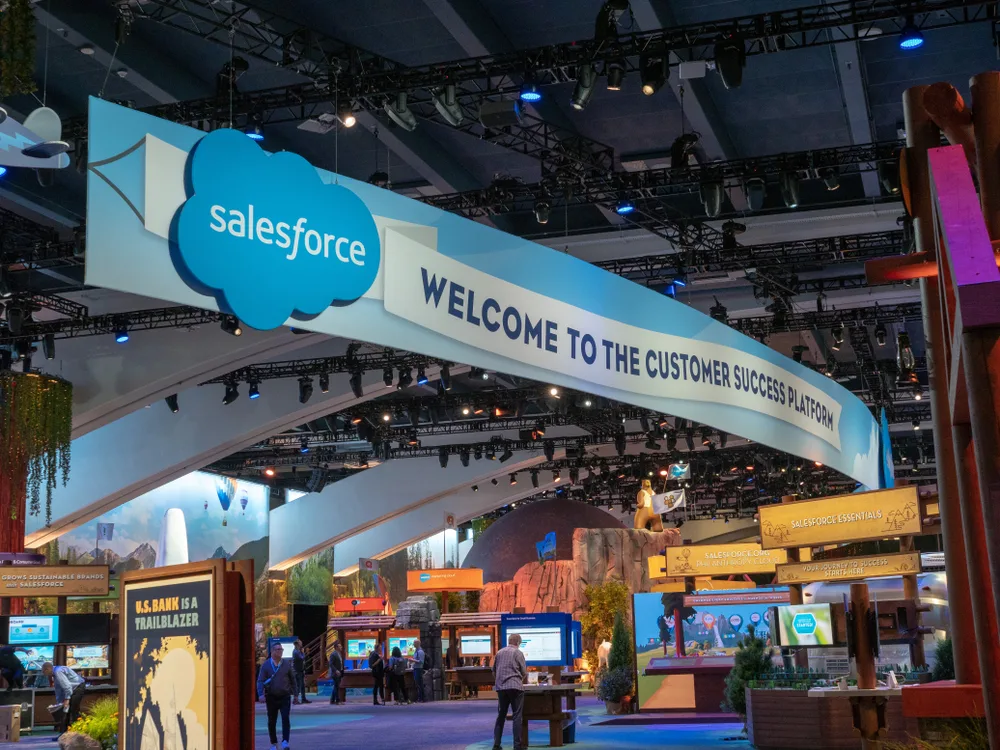
Photo: Conference banner that reads Salesforce Welcome to the Customer Success Platform

Customer Success: Which Plan is Right for Your Organization?

As trusted advisors who are most familiar with your system’s design, we are your partners in long-term Salesforce success. Our comprehensive customer success plans include support for both your day-to-day questions, as well as the ongoing optimizations your organization needs. As partners in your Salesforce journey, we’re here for you when you need us.

Beyond a Service Desk: Essential and Enhanced Support

Our Essential Support offering is ideal for organizations already equipped with in-house system administrators with the capacity and knowledge to handle the day-to-day management of their Salesforce system. This offering is best for organizations who anticipate “business as usual” in the foreseeable future when it comes to your system.

Essential support includes access to the Success Center team, portal, and Exponent Knowledge Base. When issues or questions arise, you can submit service desk tickets or submit questions to the community portal, where you will receive public answers from one of our experts. We also provide regular informational updates on releases to help ensure you are taking advantage of those features that continue to improve your system.

For clients requiring a more hands-on approach, but not ready for managed services, we developed our Enhanced Support offering. This offering includes all of the Essential Support services plus a primary point of contact in the Success Center. This primary point of contact allows for clients to set goals and more proactively manage support for their system, especially when time and resources are limited. Enhanced Support may also include a set of recurring benefits such as system administration and maintenance.

Adding Capacity with a Trusted Expert: Virtual Admin

For nonprofit organizations that lack system administration resources, capacity and/or expertise, the Virtual Admin support offering may provide the perfect balance of support and value to maintain the health of and value of ongoing optimizations of your Salesforce system. As virtual extensions of your team, Virtual Admins support managing the current strategy while helping to plan for future data and system goals.

Virtual Admins serve as trusted partners to the organizations they support. They bring deep expertise in systems management and technical execution to our clients and can reduce the cost of recruiting and hiring full-time system administration support. Virtual Admins can also help by identifying and reporting on KPIs, building dashboards to demonstrate success, and prioritize enhancements to be completed over a period of time.

Strategic, Proactive Support: Managed Services

High-growth and large nonprofit organizations will benefit from the year-round strategic management consulting the Managed Services support offering provides. Not only will you be working with a dedicated Exponent managed services consultant, but you will have access to our entire network of specialists, all with a deep knowledge of Salesforce, ECM, and the nonprofit world including deep domain expertise.

With our managed services offerings, we take a proactive approach to optimizing your Salesforce systems. As an extension of your team, our consultants are able to utilize the understanding and knowledge gained over a long-term relationship to proactively identify opportunities, trends, optimizations and even anticipate and solve issues before they turn into problems.

Together with internal team members, Exponent consultants identify priorities, create work plans for ongoing enhancements, and monitor and report back on performance metrics. They also offer best practice support, advisory services, ongoing training opportunities and can assist with change management and ongoing strategic planning.

Whatever solution is right for you, all of Exponent’s Customer Success support offerings have been developed to help our clients better leverage the Salesforce platform across whole organizations and create a safety net of institutional knowledge in the event you experience staff turnover or other changes in priority. Our offerings also ensure you have ready access to a full range of expertise on the cutting edge of Salesforce platform knowledge and trends in how nonprofits are leveraging the power of the platform to support digital transformation and support successful adoption over time.

Interested in learning more? Talk to your Exponent Partners consultant or contact us to schedule an overview of our Salesforce Customer Success offerings.

Photo: Two fingers pinched together to hold a tuft of cotton shaped like a cloud with blue sky and real clouds in the background.

Reimagine Grantmaking with a Salesforce Solution 

For many foundations, managing grantmaking can be a highly manual process. Information may exist in multiple places, systems, or live exclusively with specific individuals working on the grantmaking team. The intellectual capital may not feel like it belongs to the organization itself. In contrast, a purpose-built foundation management system can transform every aspect of vital organizational processes including grantee relationship management, grants management, measurement and evaluation, compliance, fundraising, event management, and finance.  Implementing the Salesforce platform, combined with other best-in-class products, can improve efficiency, streamline processes, and ultimately improve and expand the impact of any nonprofit organization. 

Our Approach: Solutions to Reimagine and Advance Foundation Management

The first step in any Salesforce implementation project is a deep and detailed discovery process. Clients need a trusted guide to take inventory of their system requirements and find opportunities for organizational transformation. We offer advisory services for best practices on Change Management as well as helping you develop organizational theory of change and program logic models. We are transparent and realistic with our clients about the scope of their journeys because the launch of a new system is just the beginning. Long-term success is defined through high-level, strategic conversations and requires buy-in from all stakeholders involved. 

As a Salesforce.org Premium partner founded in 2005, Exponent Partners has one of the longest running practices serving philanthropic institutions using the Salesforce platform. With decades of combined experience in the sector, our team has seen it all. Not only have our consultants worked on large, complex grantmaking technology projects, many of them have been on the other side of the equation in previous roles at grantmaking organizations.  

We understand the wide range of unique challenges that organizations face:

  • Defining success. High-level strategy and planning that ensures your project aligns with your organizational mission and that there is staff buy-in throughout the organization.  
  • Finding the best solution. Selecting the right product that will not only be an improvement from the current system but also continue to grow as your organization’s needs grow.
  • Exceeding technical expectations. Building successful integrations across all the large scale systems used by all the teams at your organization, including the smaller tools grantmakers rely on to accomplish their day-to-day tasks.  

This understanding also allows our consultants to guide clients away from the common pitfalls of a technology implementation. We frequently bring client focus back to the project objective and the mission of the organization as a whole. Staying grounded in your organization’s mission and desired program outcomes can serve as a critical reminder throughout the course of a complex implementation project. 

Get Started on the Path to Strategic Grantmaking and Foundation Management

As seismic shifts rattle through the sector, many grantmakers are undergoing major change to meet the moment. Projects—whether strategic, change management, fundraising, events,  or grants management—can be huge undertakings, and can seem overwhelming especially to an organization where time and investment is limited. Given our significant philanthropy portfolio and extensive expertise in the grantmaking process, this is where the consultants at Exponent Partners can help. If you are considering a Salesforce implementation for your organization, we want to talk to you! Schedule a free initial consultation with the Philanthropy Team at Exponent Partners to learn more about how a Salesforce implementation could transform grantmaking, and more, in your organization. 

Aimee Cubbage COO Exponent Partners quote

Overcoming Challenges Nonprofits Face when Implementing Salesforce

The implementation of a complex and powerful platform like Salesforce can be a daunting undertaking for many nonprofits. Technology projects require buy-in at multiple levels, a significant investment of time, money, and people, as well as extensive knowledge of the Salesforce ecosystem. Acknowledging these challenges is the first step in your journey. The transformational benefits of a successful implementation include improved efficiency, cost savings, automated processes, and more accurate data. Nonprofits also benefit from increased transparency, enhanced collaboration across staff, and the ability to scale programs for greater impact. The flexibility and innovation of the Salesforce platform sets your nonprofit on a course for ongoing improvement. Engaging an experienced Salesforce partner to serve as a trusted guide on your journey is critical for your organization’s long-term success. Nonprofits can overcome these common challenges with the support of a dedicated Customer Success team.

Nonprofit Organizations are Complex

One of the most common challenges we hear from nonprofits seeking a new technology to replace their legacy system is the assumption that no partner or tool could meet the unique demands of their organizational processes and system requirements. It’s true, your nonprofit may need a solution that serves multiple functions including case management, fundraising management, impact reports, financial projections and more. To meet this challenge, the Salesforce platform was designed to be flexible and easy to integrate with other technologies.

As a partner serving the sector for over 15 years, we know nonprofits. We understand how to meet nonprofit clients where you are and partner with you to build a system that grows with your organization over time. Every one of our consultants comes equipped with deep knowledge of the nonprofit world and the unique challenges that come with the territory. Plus, many of our consultants worked at nonprofits in the past and have direct experience with nonprofit operations.

Implementations Require Significant Investment

It is no secret that new technology implementations require a significant time and financial investment to any organization. To ensure the great return on investment, nonprofits need a trusted Salesforce implementation partner with an unwavering commitment to Customer Success as well as a demonstrated history of achieving that success at every stage of the project lifecycle.

During a project, nonprofits and their partners should continuously circle back to the goals set during the strategy and planning stage and ask: Are we still aligned on these goals? Are we successfully partnering with and checking in with all key stakeholders? Are we taking tangible steps towards achieving or exceeding the definition of success developed at the engagement onset?

Nurturing a continuous feedback loop fosters trust in the technology and in each other. This trust is key for the ongoing adoption and success of the technology investment. Often the technology or platform implementation is just the beginning—the catalyst—for large-scale organizational change that involves people, processes, and potentially whole organization transformation. Choosing an implementation partner is an investment in trust. At Exponent Partners, we strive to build trust through every milestone of your technology journey.

Redefining Reporting Metrics and Managing Expectations

Improving the ability to measure the impact of your organization is likely a major driver in any Salesforce implementation project. It is the quickest way to demonstrate the value of the implementation and show the power of data transparency from a well-designed Salesforce system.

A common challenge nonprofits face is trying to recreate the reporting metrics of the previous system. The Salesforce platform provides nonprofits the opportunity to reevaluate program and outcomes measurement. Nonprofits need a trusted advisor to think through the implications for end users across multiple tiers of an organization. For example,  Senior leadership do not necessarily need to see the same level of data granularity as a system administrator. The platform design and build must take into account specific business units, roles, and responsibilities to serve the right data at the right time.

Performance reporting is a key part of any implementation. Our consultants are able to draw on their nonprofit experience, as well as all what they have discovered through the discovery process, to partner with clients to develop custom measurement practices that work for multiple departments of an organization.

Adapting to Organizational Change and Technology Updates

One trait that all nonprofits share, regardless of the sector or industry, is that they are dynamic; the requirements, goals, size, etc. evolve over time. But some organizations face the added challenge of treating a technology investment as a static, fixed project. To overcome this challenge, your nonprofit’s ongoing evolution should be a consideration throughout the planning, design and build stages of your Salesforce implementation. The ultimate goal is to build a strong foundation that will meet the needs of today and be able to adapt to meet the needs of tomorrow.

And, like the nonprofits themselves, Salesforce is also on a path of continuous improvement. Technology changes at a rapid pace, and it can be challenging to stay current with the ever-expanding Salesforce ecosystem. Our Success Center service plans are designed to ensure you understand the evolving landscape and how it can best serve your needs.

How Exponent Partners Can Help

As your Salesforce implementation partner, we can ease the pain of addressing common implementation challenges before, during, and after the launch of Salesforce within your organization. Your ongoing support needs are not an afterthought. Customer success is at the core of everything we do; your success is our success.

We offer a proven range of services to help clients maintain, support ongoing adoption, and grow the impact of your Salesforce platform including:

  • Essential Support. Annual entry-level service for your emailed requests. You’ll get access to our customer success self-serve portal, robust knowledge base, and Success Center Team for hands-on assistance.
  • Enhanced Support. Includes all the benefits of annual Essential Support plus proactive system maintenance, quarterly goal setting, release assessments, user management, and third party app support.
  • Virtual Admin. Benefit from a dedicated Managed Services consultant who serves as your nonprofit’s quarter-time Salesforce Administrator contracted on a 3-month basis.
  • Managed Services. Contracted annually your Managed Services consultant goes beyond Virtual Admin to include Salesforce roadmapping, data governance, change management, and a team of specialists.

Are you ready to get started? Explore our support offerings or contact us to set up a consultation.

For more tips on common challenges and choosing a Salesforce consulting partner, check out the latest part in the blog series titled Nonprofit Guide to Choosing a Salesforce Partner by Watt Hamlett where consulting leaders offer candid advice for your organization as you embark on your journey.

Amplify Voices

Amplify-ing the Underrepresented Voices in Tech

On April 21, 2021, Salesforce will host its inaugural Nonprofit Summit, which is a virtual summit with content designed specifically for professionals in the nonprofit space. 

The summit will offer four content tracks, and I am honored to be speaking with two fearless Amplify members, Jessica Murphy and Rachel Park, during a breakout session in the “Managing and Scaling Your Platform” content track. 

We feel that our session, Amplify-ing Underrepresented Voices in Tech,” has never been more relevant. The last year has been a major reality check into the current state of inequity in our communities. Our mission at Amplify is to tackle this problem by empowering and elevating underrepresented voices technology. 

We want to share one of the most powerful tools we have leveraged in our journeys to take tangible steps towards achieving that goal – building community. 

Why is building community so important?

We all desire to feel a sense of belonging; this builds community. When we feel connected and represented in the workplace, industry, or the larger community, it may feel less intimidating to speak up and accelerate our own success. Technology is making it easier than ever to build virtual communities on a large scale. This can help 

In our session, we dig deep into our personal stories and discuss how they converged at the intersection of tech, diversity and grit. In sharing our experiences, we hope that you can see yourselves in our stories and provide real-life examples of how these concepts work together to propel success. There is no substitution for hard work and a relentless desire to be the very best at what you are doing. 

Join us on Wednesday, April 21 from 10:15 a.m. to 10:33 a.m. Pacific Time in our breakout session at the Salesforce Nonprofit Summit. We hope to see you there! For more information about this and other events check out the Amplify website

Additional Resources Now and Coming Soon!

In collaboration with the Salesforce.org Partner Advisory Board Equity Subcommittee and the DEI Sprint, Amplify recently launched is a Diversity, Equity, and Inclustion Suvey. This was volunteer-led effort and a full report will be published soon. Some initial findings include:

Respondents when asked “Which category best describes your race/ethnicity? Select all that apply.”

  • Indigenous 1.3%
  • Hispanic, Latinx, or Spanish origin 6.3%
  • Black of of Afican or Caribbean descent 5.7%
  • Hispanic, Latinx, or Spanish origin and white 3.1%
  • Asian 9.4%
  • White 68.6%

Respondents when asked “I identify my gender as…”

  • Gender Queer/Non-conforming 0.6%
  • Female 56.6%
  • Male 40.3%

Respondents when asked “Do you consider yourslef a member of the Lesbian, Gay, Bisexual, Transgender, Intersex, and/or Queer (LGBTIQA+) community?”

  • Yes 21.4%
  • No 76.7%
  • Prefer not to say 1.9%

Respondents when asked “Do you own, or partially own the company?”

  • Yes 17%
  • No 83%

Another new resource recently launched is the Amplify Job Board, where Salesforce.org partners enter job opportunties to reach a more diverse pool of candates. This is a fantastic opportunity to expand beyond standard networks within the Salesforce ecosystem. Find open positions.

Photo: Laptop displaying the webiste for Salesfofce

Transforming Nonprofit Fundraising with Salesforce Implementation

Post By: Lara Kimberley

Fundraising is an essential function of almost any nonprofit, enabling these organizations to do the work set out in their missions and make a difference in their communities and the world at large. To sustain and grow the impact of nonprofits’ work, organizations need a system to manage the fundraising pipeline. This can include managing individual and annual giving, tracking information on donors and potential donors, driving marketing and communications campaigns, reporting on financials, and more.  

Many nonprofit organizations have legacy systems to manage fundraising that are homegrown. These systems may not connect to other parts of the business (e.g. finance, philanthropy, etc), and have decades worth of data with little governance and manual processes to access the information. 

Implementing Salesforce to Improve Fundraising Management 

The Salesforce platform, and more specifically, the Nonprofit Success Pack, can dramatically improve the efficiency and effectiveness of a nonprofit organization’s fundraising management. A customized Salesforce solution can not only automate many of the manual processes nonprofits deal with everyday, but can use predictive analytics and prospect functionality to proactively plan for and project giving on an ongoing basis. 

Additional functionality can include custom marketing campaigns, fundraising pyramids, and complex contact tracking. Board, committee, and giving society membership tracking can be built as well as functionality to track inbound government and foundation grants. Whether your process resembles a traditional sales process or not, a custom Salesforce solution can transform the fundraising capability at your organization.  

Our Methodology: Setting the Path for Sustainable Fundraising 

At Exponent Partners, we take a whole-agency, 360 degree approach to any fundraising project. Though fundraising may be the driving force to implement a system like Salesforce, we believe that it is critical to consider and understand the business processes of the entire organization to ensure a seamless implementation not handicapped by silos. 

Discovery begins upon the first consultation with an Exponent Partners Consultant and is ongoing throughout the entire implementation. We base our discovery process on your business processes and take time to understand the day-to-day of our clients. We map out individual user stories, key data relationship information, and definitions of success to customize a solution that will empower users at any level to utilize and leverage the power of the platform.

Often our solutions may include a degree of change management or re-engineering of business practices to avoid the common pitfall of simply recreating a legacy system within a new platform. Our consultants have spent years in the Salesforce ecosystem and most come from a non-profit background. They strive to balance their deep platform knowledge with careful listening and understanding to become a true partner to our clients.   

What’s Coming in 2021 

Looking ahead, one of the decisions many nonprofits will face is whether to move away from Blackbaud Raiser’s Edge. Data security is critical in any organization, and for organizations managing funders’ personal data, it is paramount to ensure trust, transparency, and ultimately the continuity of a funding pipeline. With the Blackbaud security breach, Exponent Partners has and will continue to support organizations making the switch from Raiser’s Edge to Salesforce in 2021. 

At Exponent Partners, our drive to propel our clients towards success extends far beyond an implementation project. We believe in the mission of our clients, as we work with organizations that are tackling the biggest and most complex challenges facing our world. 

If you are anticipating a migration from Raiser’s Edge in the next fiscal year, or are interested in learning more about our fundraising practice, we want to talk to you! Contact us and we will schedule a time for an initial consultation to learn more about how we may be able to partner with you to accomplish your fundraising goals.

Lara Kimberley

Principal Consultant

Lara leads our fundraising practice helping nonprofits develop, refine, and integrate their fundraising systems. She is passionate about creating solutions for organizations that are thoughtful, elegant, and scalable. Lara has been part of the Salesforce ecosystem for 10 years and has been implement...